




Hidden Costs of Buying Industrial Equipment
The purchase order is only one part of industrial equipment cost. Site work, integration, lost production, validation, training, spares and support can materially change the decision.
The purchase order is only one part of industrial equipment cost. Site work, integration, lost production, validation, training, spares and support can materially change the decision.

A WMS pays off when location errors, material searches, shortages and transaction delays cost more than the full system and process change. Manufacturers should measure these losses before selecting software.

Automated quality control makes sense when a measurable defect risk can be detected reliably at production speed and the avoided cost exceeds equipment, validation and operating cost.
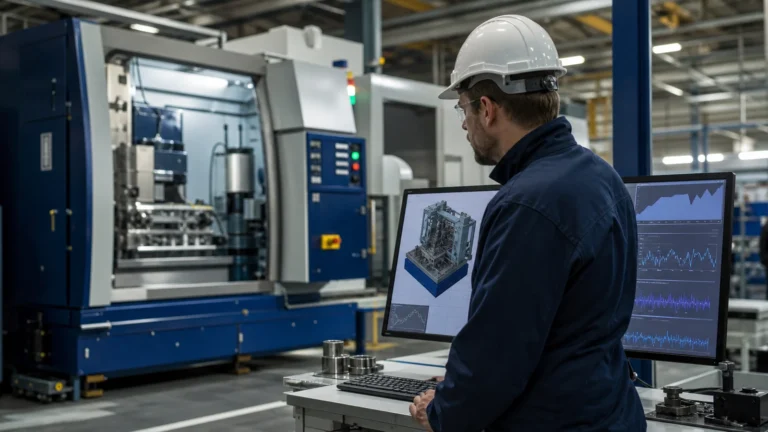
A manufacturing digital twin is worth building when a better model changes a costly recurring decision. This guide compares digital twins with dashboards and simulations, explains the full cost and provides a practical ROI framework.

Useful production data begins with a decision, not a sensor. Each measure needs a definition, context, timestamp, owner and quality rule before it can support operations or analytics.

Cloud and on-premises are operating models, not quality labels. The right choice depends on latency, plant continuity, data sensitivity, integration, internal skills and the full cost over the expected life.

Automation rarely removes labor cost in one clean step. It changes task content, staffing by shift, support needs, overtime, skills and the amount of output each team can produce.

An industrial IoT project should start with one costly production problem, a defined decision and a limited pilot. This guide explains the architecture, full cost, security requirements and evidence needed before a manufacturer scales IIoT across a plant.

IT and OT security share core principles, but they protect different consequences. OT decisions must preserve safe, reliable production and require plant-specific change control, recovery and engineering knowledge.
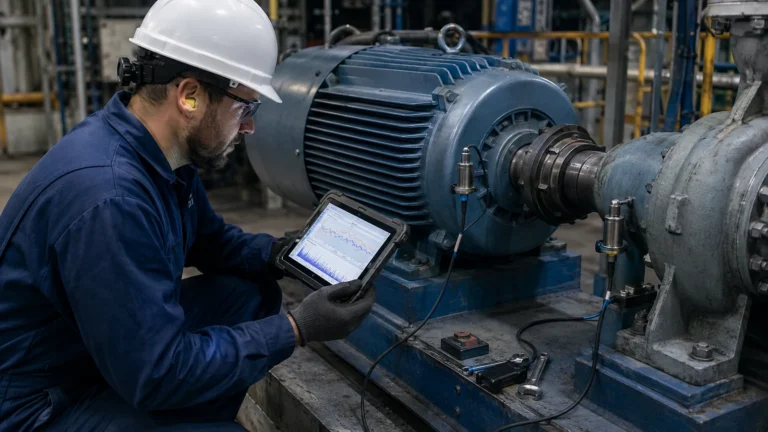
Preventive and predictive maintenance are not competing plant-wide systems. The right approach depends on asset criticality, failure behavior, detectability, data and the cost of acting too early or too late.