




Common Industrial Energy Audit Mistakes
A practical manufacturing guide to industrial energy audit mistakes, covering evidence, calculations, implementation decisions and verification.
Work through industrial challenges step by step. Find practical guidance on selecting technologies, planning implementation and improving production processes.
A practical manufacturing guide to industrial energy audit mistakes, covering evidence, calculations, implementation decisions and verification.

A manufacturing ERP should be selected around planning, costing, inventory and financial decisions—not a long feature list. This guide shows how to define requirements, compare vendors and control implementation risk.

CAPEX and OPEX are accounting and cash-flow classifications, not labels a manager can choose freely. This guide explains machinery, installation, maintenance, software and leasing while separating classification from investment quality.

A practical manufacturing guide to compressed air leak detection, covering evidence, calculations, implementation decisions and verification.
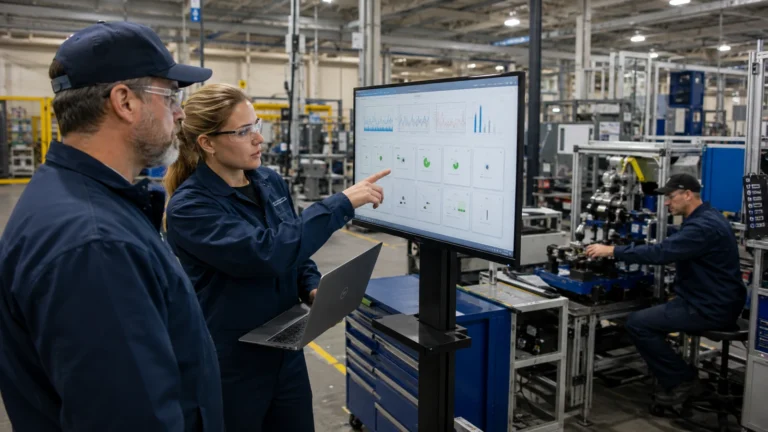
The best first automation project combines a measurable loss with a stable process, technical feasibility, acceptable risk and useful learning. This guide provides a scoring matrix, selection gates and a pilot checklist.

A strong proposal does not guarantee successful delivery. Use qualification gates, evidence checks and a weighted scorecard to evaluate industrial technology suppliers before signing a contract.

A practical manufacturing guide to compressed air leak cost, covering evidence, calculations, implementation decisions and verification.

A credible industrial investment case connects technical assumptions with cash flow and operating reality. This guide explains how to test the baseline, alternatives, total cost, risks and supplier evidence before approval.
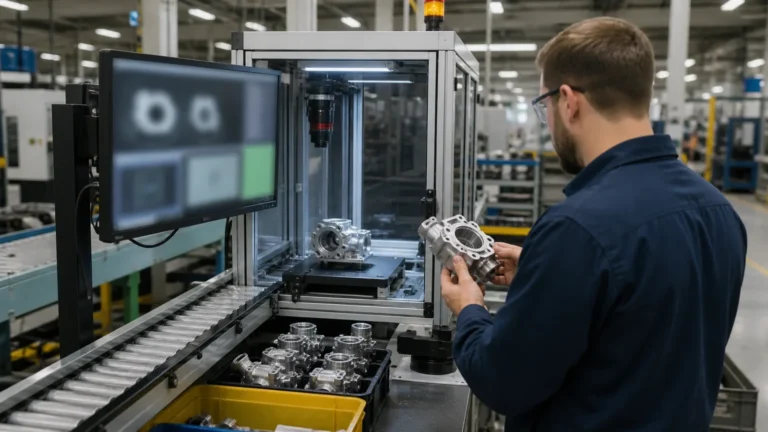
Industrial AI can support inspection, maintenance and planning, but its performance depends on data, process stability and continued monitoring. This guide explains where AI is useful and where a simpler method may be safer.
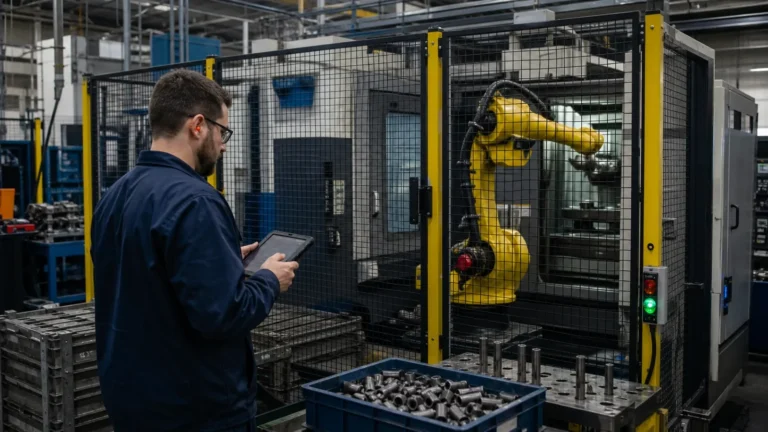
Automation can improve capacity, consistency and safety, but the quoted equipment price is only part of the investment. A useful ROI model starts with the current process and tests whether the expected benefit survives realistic operating conditions.